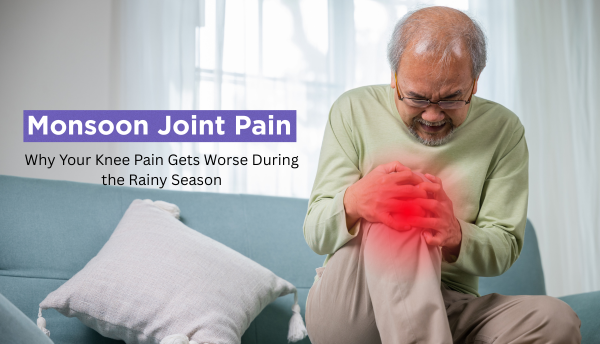
Monsoon Joint Pain: Why Your Knee Pain Gets Worse During the Rainy Season
The monsoon brings relief from the summer heat, but for some people, it also brings an unwelcome problem—increased knee pain and joint stiffness. If you already have arthritis, an old knee injury, or another joint condition, you may notice that your symptoms become more uncomfortable when the weather changes.
But does rain actually cause knee pain?
The answer is no. Rain itself does not damage your joints or cause arthritis. However, changes in atmospheric pressure, humidity, temperature, and physical activity during the rainy season may make existing joint symptoms more noticeable.
Understanding why this happens and knowing how to care for your knees can help you stay active and comfortable throughout the monsoon.
Why Does Joint Pain Increase During the Rainy Season?
Joint pain during rainy season is commonly reported by people who already have arthritis or other musculoskeletal conditions. Although the exact connection between weather and joint pain is still being studied, several factors may contribute to increased discomfort.
1. Changes in Atmospheric Pressure
Before and during rainfall, atmospheric pressure can fluctuate. Some people with arthritis or previously injured joints report more aching, stiffness, or discomfort during these changes.
One theory is that changes in external pressure may influence the tissues surrounding a sensitive joint. However, this response varies considerably from person to person.
2. Increased Humidity
Monsoon weather is typically associated with higher humidity. Some individuals with existing joint conditions may feel more stiffness or discomfort when humidity levels rise.
It is important to understand that humidity does not directly damage cartilage or cause arthritis. It may simply make existing symptoms feel more noticeable in some people.
3. Reduced Physical Activity
Rainy weather often means less walking, outdoor exercise, and recreational activity. Spending more time indoors and sitting for prolonged periods can cause muscles and joints to become stiff.
Regular movement helps maintain joint mobility and strengthens the muscles that support the knee.
4. Existing Arthritis or Joint Problems
People with osteoarthritis, previous ligament injuries, meniscus problems, or other knee conditions may be more likely to notice symptoms during weather changes.
Osteoarthritis, for example, can cause gradual cartilage deterioration and may lead to pain, stiffness, swelling, and difficulty with activities such as climbing stairs or walking long distances.
What Are the Common Symptoms of Monsoon Knee Pain?
The symptoms can vary depending on the underlying cause, but common complaints include:
- Aching or dull knee pain
- Morning stiffness
- Stiffness after sitting for a long time
- Difficulty climbing stairs
- Pain while walking
- Mild swelling around the knee
- Reduced flexibility
- Discomfort after physical activity
- A feeling of weakness or instability
If these symptoms are persistent or progressively worsening, they should not simply be attributed to the rainy weather.
Who Is More Likely to Experience Knee Pain During Monsoon?
Weather-related discomfort may be more noticeable in people who already have a knee or joint condition.
You may be more susceptible if you have:
- Osteoarthritis
- A previous knee injury
- Meniscus or ligament problems
- Previous knee surgery
- Weak leg muscles
- Excess body weight
- A sedentary lifestyle
- Repetitive stress on the knees
- Age-related joint changes
However, new knee pain can occur at any age. Persistent symptoms deserve proper medical evaluation.
How Can You Manage Knee Pain During Monsoon?
You cannot control the weather, but you can take steps to support your joint health.
Stay Physically Active
Avoid becoming completely inactive because of rain. Depending on your condition, walking indoors, stretching, cycling, swimming, or other low-impact exercises can help maintain flexibility and muscle strength.
If you already have significant knee pain, consult a healthcare professional before starting a new exercise routine.
Avoid Prolonged Sitting
Sitting for several hours can increase stiffness. Try taking short movement breaks throughout the day.
Simple movements such as gently straightening and bending the knee can help prevent stiffness when performed comfortably.
Maintain a Healthy Weight
The knees carry much of the body’s weight during standing and movement. Excess weight can increase mechanical stress on the knee joints.
Maintaining a healthy weight can support mobility and may help reduce symptoms in people with knee osteoarthritis.
Strengthen the Supporting Muscles
Strong quadriceps, hamstrings, hip, and gluteal muscles help support and stabilize the knee.
A physiotherapist can design an exercise program according to your strength, mobility, and medical condition.
Use Warmth for Stiffness
A warm shower or warm compress may provide temporary relief from stiffness for some people.
Avoid excessive heat and never apply very hot objects directly to the skin.
Wear Comfortable Footwear
Supportive and comfortable footwear can help reduce unnecessary stress on your knees, especially if you spend significant time standing or walking.
When Should You See an Orthopedic Doctor?
Occasional mild stiffness may improve with movement and lifestyle changes. However, persistent knee pain should not be ignored.
You should consider professional evaluation if you experience:
- Pain that persists for several weeks
- Significant swelling
- Difficulty walking
- Knee instability or repeated giving way
- Restricted movement
- Knee locking
- Severe pain while climbing stairs
- Pain following an injury
- Symptoms that interfere with work or daily activities
If you are searching for an Orthopedic doctor in Faridabad, a qualified specialist can evaluate your symptoms and determine whether the underlying problem is arthritis, an old injury, inflammation, muscle weakness, or another condition.
How Is Knee Pain Diagnosed?
Diagnosis generally begins with a detailed medical history and physical examination.
Your doctor may ask about the duration of your pain, previous injuries, activities that worsen symptoms, swelling, stiffness, and limitations in movement.
Depending on the suspected cause, investigations such as an X-ray or MRI may be recommended. In some cases, blood tests or additional investigations may be required.
The goal is to identify the underlying cause rather than simply treating pain that appears during rainy weather.
What Treatments Are Available for Knee Pain?
Treatment depends on the underlying condition and its severity.
Depending on your diagnosis, treatment may include:
Lifestyle modification: Weight management, activity modification, and appropriate exercise can help many patients.
Physiotherapy: Targeted exercises can improve muscle strength, flexibility, balance, and joint function.
Medication: Your doctor may recommend suitable medicines for pain or inflammation based on your individual health needs.
Injections: Certain patients may benefit from injectable treatments depending on their diagnosis and clinical assessment.
Surgery: When there is significant structural damage or advanced arthritis, surgery may be considered. For some patients with severe knee osteoarthritis, knee replacement may be an option when pain and reduced mobility significantly affect quality of life.
Can You Prevent Monsoon-Related Knee Pain?
There is no guaranteed way to prevent weather-related joint discomfort. However, maintaining good joint health can help reduce the impact of existing knee problems.
Try to:
- Stay regularly active
- Maintain a healthy weight
- Strengthen your leg muscles
- Avoid prolonged inactivity
- Follow recommended physiotherapy
- Wear supportive footwear
- Avoid unnecessary strain on your knees
- Seek medical advice for persistent symptoms
Most importantly, do not assume that recurring knee pain is simply a normal reaction to rain.
Frequently Asked Questions
Q1. Does rain cause knee pain?
Ans. Rain does not directly cause arthritis or damage the knee. However, some people with existing joint conditions may notice increased stiffness or discomfort during changes in weather.
Q2. Why does my knee hurt more when the weather changes?
Ans. Changes in atmospheric pressure, humidity, temperature, and physical activity may influence symptoms in people with existing joint problems. Individual responses vary.
Q3. Can exercise help during monsoon?
Ans. Appropriate low-impact exercise can help maintain joint mobility and muscle strength. However, people with significant pain or an existing injury should seek professional advice about suitable exercises.
Q4. Is knee pain always a sign of arthritis?
Ans. No. Knee pain can have many causes, including arthritis, ligament injuries, meniscus problems, muscle strain, inflammation, and overuse.
Q5. Can knee pain be treated without surgery?
Ans. Many knee conditions can initially be managed with physiotherapy, exercise, lifestyle changes, weight management, and appropriate medical treatment. Surgery is considered only when clinically appropriate.
Don’t Let the Monsoon Limit Your Movement
Knee discomfort during rainy weather can be frustrating, particularly when it repeatedly interferes with walking, exercise, or everyday activities. While weather changes may influence how existing joint problems feel, persistent pain should never be dismissed as “just the weather.”
If you are looking for a Knee pain doctor near me, getting the right diagnosis is the first step toward appropriate treatment.
At Accord Superspeciality Hospital, patients can seek evaluation and treatment for a range of orthopedic and joint-related conditions. If your knee pain is persistent, worsening, or affecting your quality of life, consult a qualified orthopedic specialist to understand the cause and explore suitable treatment options.
Take care of your knees this monsoon—stay active, listen to your body, and seek medical advice when pain persists.